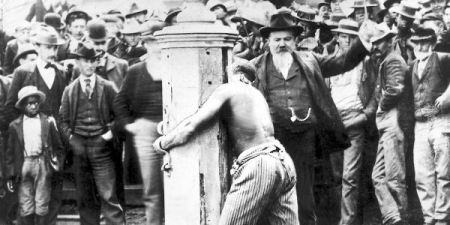
The History of the Correctional NursePrior to 1920In 1867 Canada officially became a country when the British North America Act was formulated and signed by the provinces (i.e. Ontario, Quebec, New Brunswick and Nova Scotia). This act outlined the responsibilities and power structure between the central Parliament and the provinces (Correctional Services Canada, 2009). Prior to this, when the English and French settlers were colonizing Canada, the punishment for wrong-doers and criminals did not involve spending time in prisons or segregation from the rest of the society. Instead, the miscreant was placed in a public place (i.e. in the main square in the village) and abused physically and emotionally. The offender would be whipped, branded and sometimes pilloried – which involved placing their head and arms in a wooden board and displaying them in the town square for all to see, laugh at and abuse. The idea was that humiliation and physical pain were ways of preventing these criminals from committing another crime and they kept all the other citizens in line by demonstrating what could happen to them if they committed a crime (Correctional Services Canada, 2009). In 1789 the Quakers in Philadelphia felt that there was a better way to deal with miscreants of society and they established the first penitentiary, which was a place where criminals could be segregated from the rest of society and through enough discipline, labour and reflection, they could once again return to society and be positive members of society (Correctional Services Canada, 2009). In 1835 the first penitentiary was built in Canada, in Kingston: the Kingston Penitentiary. This penitentiary was under the jurisdiction of the province until 1868 when the Penitentiary Act was passed in Canada and the federal government took responsibility over it and built many more penitentiaries all over the country. These facilities housed many prisoners and they were very strict on discipline. The prisoners had very strict schedules which included many hours of hard labour, leisure time in between, confinement to their cells at night and three meals which consisted of not much more than bread and water (Correctional Services Canada, 2009). In the Kingston Penitentiary, the first warden – Henry Smith – treated prisoners with a lot of brutality. He would whip them for bad behaviour (even women and children) and sometimes he would place them in solitary confinement, in a dark tiny box (almost like a casket) for hours, as punishment. When the federal government found out about these abusive acts, Smith was removed from the penitentiary and the government called for a complete reform of the penitentiary system. The goal was not to be inhumane to these people, but rather to rehabilitate them and be able to bring them back into society and this was not going to happen through physical and mental abuse (Correctional Services Canada, 2009). 1920-1960: Reform of PrisonsIn the 1930s, with the Great Depression taking place, many people became unemployed and due to poverty they resorted to crime to survive and keep their families alive. This led to a surge in the number of inmates in Canadian prisons. There were some positive actions that were undertaken to control the population of inmates, such as the opening of the first institution for women only (Prison for Women) in 1934. However the prison system continued to worsen from 1932-1937, with many riots breaking out in prisons all across the country. These prisoners were rioting because they wanted to put an end to the inhumane and abusive treatment that inmates endured in prison, and their rioting was successful because it captured the attention of the public, who were disturbed at how their fellow citizens were being treated (Correctional Services Canada, 2009). Click here to watch the Heritage Minutue about Agnes Macphail, who was a major influence in the creation of the Archambault Commission, a Royal Commission responsible for re-evaluating the penal system in Canada. It was established in 1938 and they put together a report that outlined that the aims of penitentiaries was to rehabilitate inmates and prevent crimes through strict discipline, but through humane methods (Correctional Services Canada, 2009). Physical abuse, mental abuse and humiliation were no longer accepted in the penitentiary system in Canada. In 1939, World War II began and the restructuring of the prison system was forgotten. The inmates and correctional officers were enlisted to aid in the war effort and became responsible for manufacturing goods for the soldiers and growing vegetables to feed the troops (Correctional Services Canada, 2009). When the war ended, in 1945, the rate of poverty increased once again and the population of inmates rose. In 1954, 200 of the 1000 inmates set fire to the Kingston Penitentiary and rioted in an attempt to draw attention to the continuing abuse that inmates endured in prison. This led to a debate in the government. On one side of the debate were those who felt that the inmates should be punished for the rioting and any privileges they had (i.e. leisure time during the day) should be taken away. On the other side of the debate were those who felt that more energy needed to be put into reforming the prison system and this is the side that won. With this decision, the Fauteux Commission was created by the government and they were responsible for investigating and offering ideas for improving the correctional system (Correctional Services Canada, 2009). The Fauteux Commission investigated the prisons and came up with the idea that the inmates could not be changed simply though discipline and hard labour. Instead, they should be given classes and instruction to modify their behaviours. They suggested that this could be accomplished by hiring specialized personnel who were trained in “social work, psychology, psychiatry, criminology and law”. In 1959 the National Parole Board was set up and in 1961 the Penitentiary Act was amended, both of which contributed greatly to improving the support, rehabilitation and humane treatment for inmates (Correctional Services Canada, 2009). 1960-1999In the 1960s, the prison system began to implement a new rehabilitation system. For example, in Collins Bay Institution, the first program to allow inmates to work outside of the prison was set up. Also, in Nova Scotia in Springhill Institution, a program was set up to allow prisoners to live outside of the prison in a rehab facility so they could be reintegrated into society (Correctional Services Canada, 2009). These positive changes did not continue for long. In 1971, 500 inmates at Kingston Penitentiary started a riot which ended in two deaths and major damage to the facility. This riot drew a lot of attention to the penitentiary system and the terrible conditions that inmates lived in, which led to a major reform (Correctional Services Canada, 2009). Some of the actions that took place to improve conditions for the prisoners were:
1990sIn the 1990s the movement to empower inmates and treat them with respect continued and strengthened. More attention was focused on factors that were out of the individual’s control for committing crimes, for example socioeceonomic factors, poverty, and historical factors. Also, more attention was focused on actions to prevent re-entry into the prison system, such as assisting inmates with building skills to be able to reintegrate into society, finding a job, finding affordable housing and having a system of support that they could turn to when they needed it (Correctional Services Canada, 2009). The Role of the Correctional Nurse - A Recent PhenomenaThere is not much documentation and analysis of nurses in the correctional system in Canada, however in California, registered nurses began to work in prisons in the 1960s and 1970s. There were not many nurses in the prisons at this time, and the history that is gathered from their experience is primarily based on their retelling today. During the 1970s the prison environment was very much focused on discipline, punishment and a dictatorial attitude from guards towards prisoners. Correctional nurses had a hard time performing health assessment and care under such conditions. Not only were the prisoners difficult at times, but the guards looked down on the nurse because they perceived the prisoners as the “enemies” and if nurses showed compassion and care towards them, as the profession calls for, then they were seen as helping the enemy in the guards’ eyes. If the nurses wanted to be treated as equals and with respect by the guards, they had to treat the prisoners badly, which went against the principles of care for nurses (Dumpel, 2005). The environment for correctional nurses was difficult to say the least. They could not gain respect from guards without compromising care, and sometimes there was no way for them to gain respect from the prisoners because they felt that the nurse was part of the staff that was there to control and abuse them. Also, the role of the correctional nurse was very isolated from the other fields of nursing (i.e. clinics, hospitals). The nurses did not have much support from other areas of nursing, nor from much of society because the view of a correctional nurse by many individuals at the time was that they were helping the “scum of society” who didn’t deserve healthcare that was being paid for by honest, hard-working upstanding citizens (Dumpel, 2005). This was a very difficult time for a correctional nurse to be a nurse. Prior to 1970, healthcare for inmates was virtually non-existent. Most healthcare was provided from fellow inmates, correctional officers and the occasional physician for serious cases. With the movement of increased focus on human rights and humane treatment for prisoners, nurses were hired to work in correctional institutions and they were the cornerstone of healthcare for inmates. However, they were not treated with respect and did not have very much autonomy, and as a result many nurses stayed away from the correctional nursing field and many of those that went into it did not stay long (Muse, 2009). Although the beginning of the profession for correctional nurses was very difficult and required thick skin, over the past 40 years, correctional nurses have made a lot of progress and created a role that is much more respected, autonomous and allows for nurses to provide care in a humanistic way. There are still many barriers and difficulties that correctional nurses face, however the conditions have improved greatly since the birth of this role in the 1970s. |
Click on the images |